



A typeface can run a few hundred dollars or several thousand dollars, depending on how it gets licensed, and a question we’ve dabbled with over the years is whether the client should be the one paying for the font or whether we should, especially if we picked it and recommended it.
Unless a client walks in with a font they already have as part of their brand, they’ll need help finding one, and that can at times be a big part of the project. The question is then whether we should pay for the font as the agency that recommended it, or whether they should.
Helping a client choose a font is part of the job
On just about any online project we take on, unless a client comes to us with established font and brand guidelines already in place, we’re the ones responsible for helping them choose a font. That applies to a logo project where the font ends up carrying the wordmark, and it applies to a website project where the font gets hosted online and served to every person who visits.
How we present fonts, and why the premium one usually wins
When we present fonts to a client, we always set them in the brand’s already established language, pulling a sentence or a word from their current website or their existing branding materials so they can see how their own words would actually read and what those letters look like in their own context rather than in a specimen.
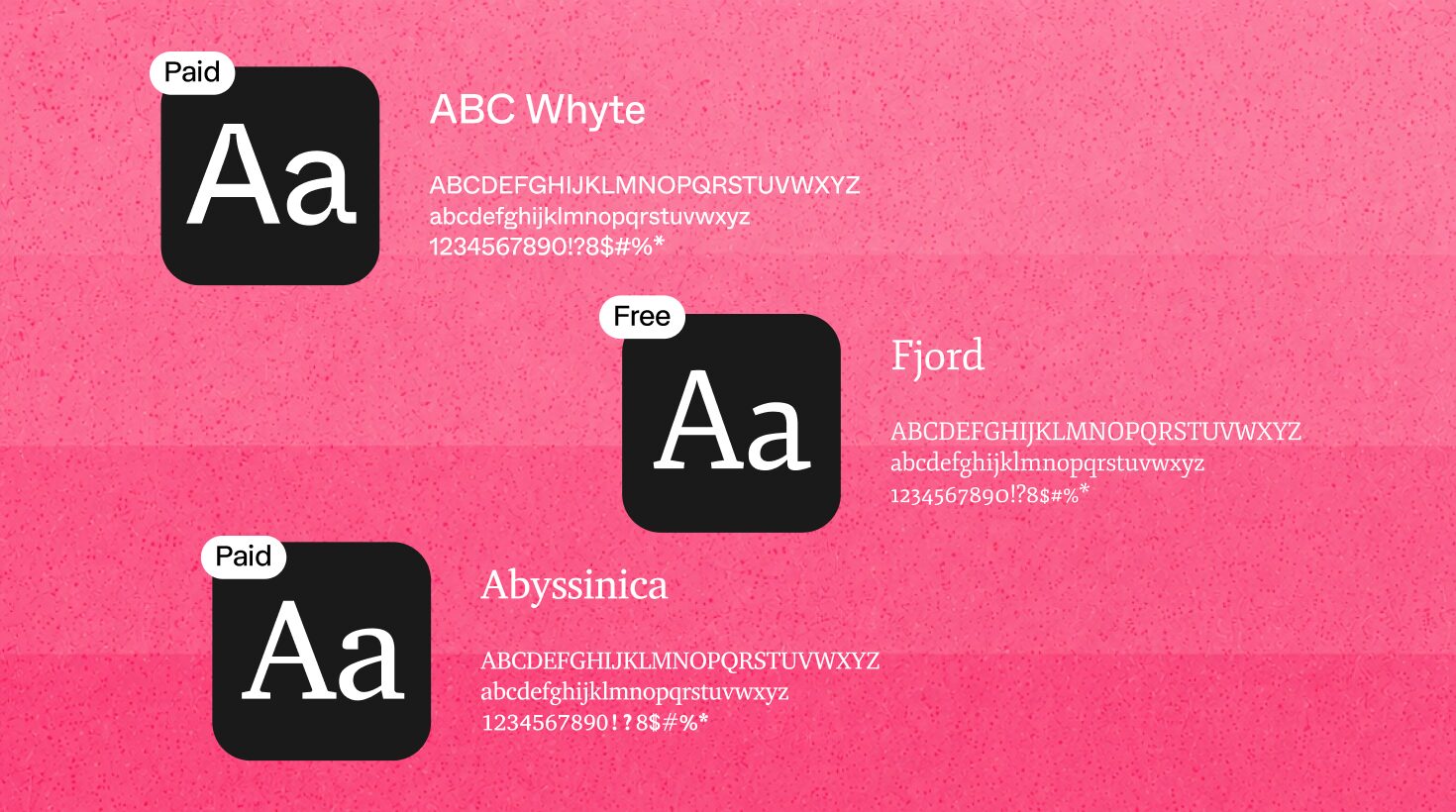
We’ll usually put five to ten options in front of them, and most of those are paid fonts, though we always bring a couple of Google Fonts that are completely free along with what we’re pitching. More often than not the client goes with the premium one, and it’s no surprise, because it looks better. The spacing is tighter, and the details on each letter really stand out against a free font.
The first time it went wrong
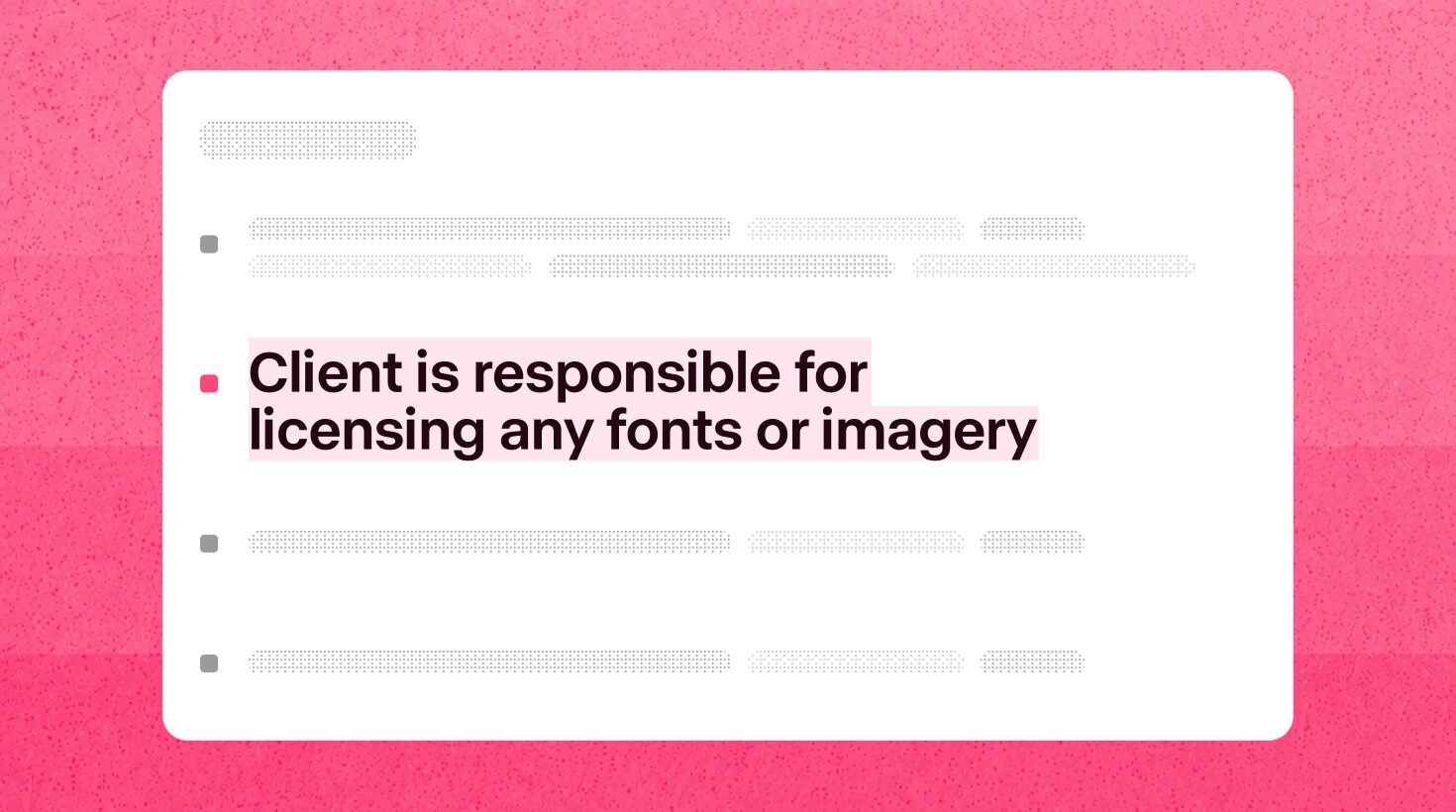
Early on, we made the rookie mistake of assuming the client would purchase the font on their own. One client came back to us after their project had wrapped, unhappy, because the owner of the font had gone to them asking for proof of purchase and there wasn’t any, and since we hadn’t been transparent from the jump about them being the ones paying for it, we ended up agreeing to split the cost with them. Since then we’ve written it into our statement of work, that the client pays for the font along with any imagery or items that aren’t part of our design work as the agency.
We’re upfront about it in the contract, and there is still confusion
Even with that in there, more than a few times this year we’ve run into an unclear conversation with a client about who should be buying the font and how expensive fonts can actually be. We assumed that because it’s in the statement of work they’d know, but we’re dealing with really busy founders who sometimes aren’t reading every bullet line thoroughly, which is understandable.
The clause is there and they signed it, but a document a client reads once, while they’re thinking about scope and timelines and whether to hire us at all, isn’t the same as a decision they’ve made about a purchase that lands weeks, sometimes months, later.
Fonts are not always a one-time purchase
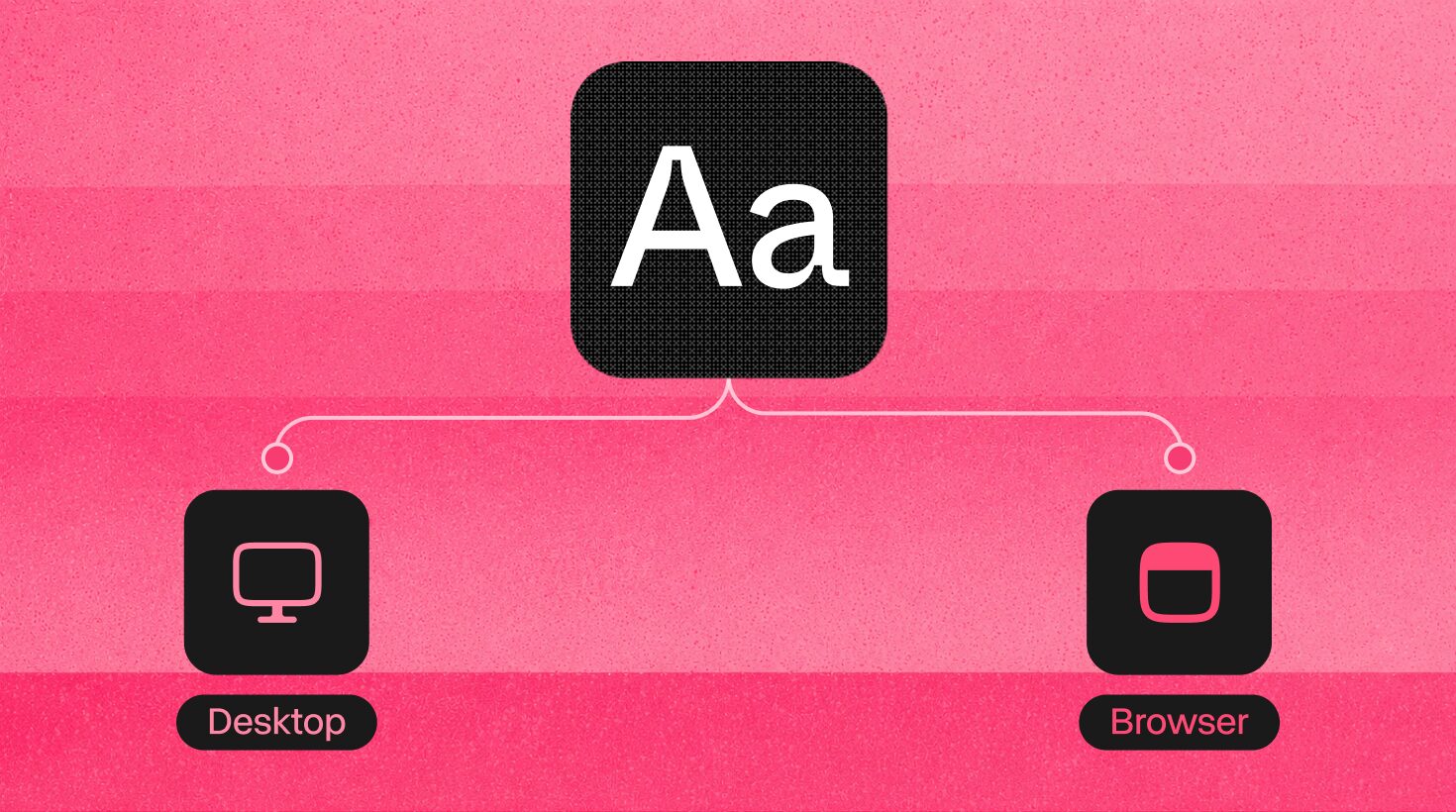
Desktop and web are separate licenses, and weights are priced individually, so an identity that needs a real range ends up paying for several of them. Web licensing is usually tied to traffic on top of that, which means the number isn’t even fixed, it’s a tier that moves as the client grows. Nobody has ever told a founder that their font gets more expensive the better their business does.
The decision
We came to the conclusion that the client will pay for the font they chose, moving forward.
Our job is to make a client look as premium as possible. That’s part of the reason they hired us, and it’s the only thing the work gets judged on once we’re gone. If the typeface is what makes an identity look premium, then the font is part of the brand, not part of our overhead.
With our new process, the moment a client responds to a font while we’re still exploring, before we take it any further, we tell them what it costs and that the price can scale with their traffic. Then we ask whether we should keep developing the designs with a paid font or go a different direction with a free option that’s more economical. Asked then, it’s a budget decision, and it costs nothing to answer either way. Asked at handoff, after they’ve signed off on an identity built on a paid typeface, it becomes a bill they have to justify for something they already think they own.
There are exceptions
It sounds contradictory after saying the client pays for it, but it can be hard for a client to know what site to go on, even when we point them to it and tell them exactly what font family to buy.
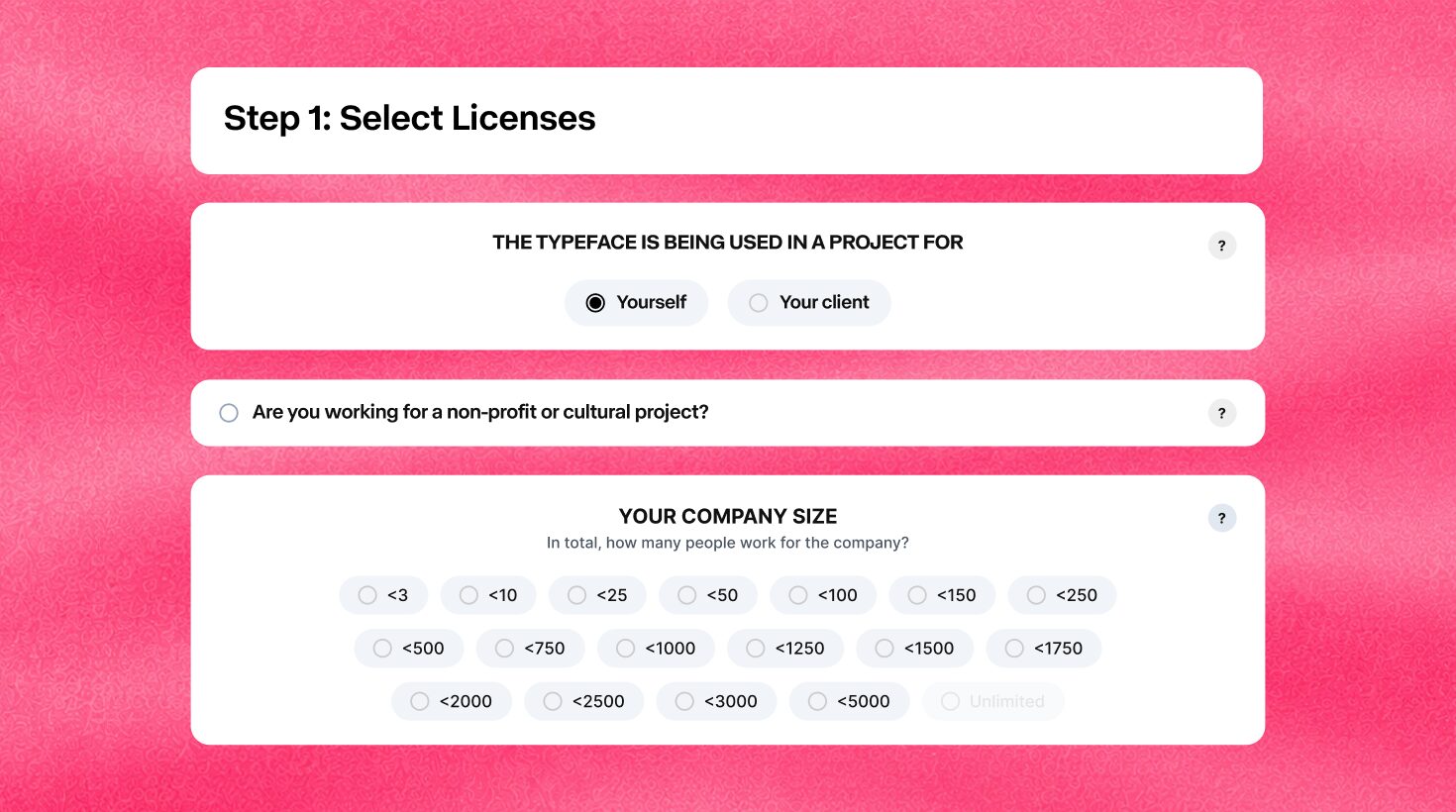
So on some projects we purchase it ourselves and transfer the license over at the end, and they still pay for it. A busy founder has no reason to know which weights the identity actually needs, or how to read a web tier against traffic they can’t predict yet, or which permissions matter when the type is going into a wordmark instead of body copy, and getting any of that wrong either costs them money or breaks something later. That part is our job to know, not theirs.
The conclushion
Whichever way it gets bought, it ends up in the same place. The license is in the client’s name, they hold it, they host the files, and if the owner of the font ever comes asking for proof of purchase, the client has it.